


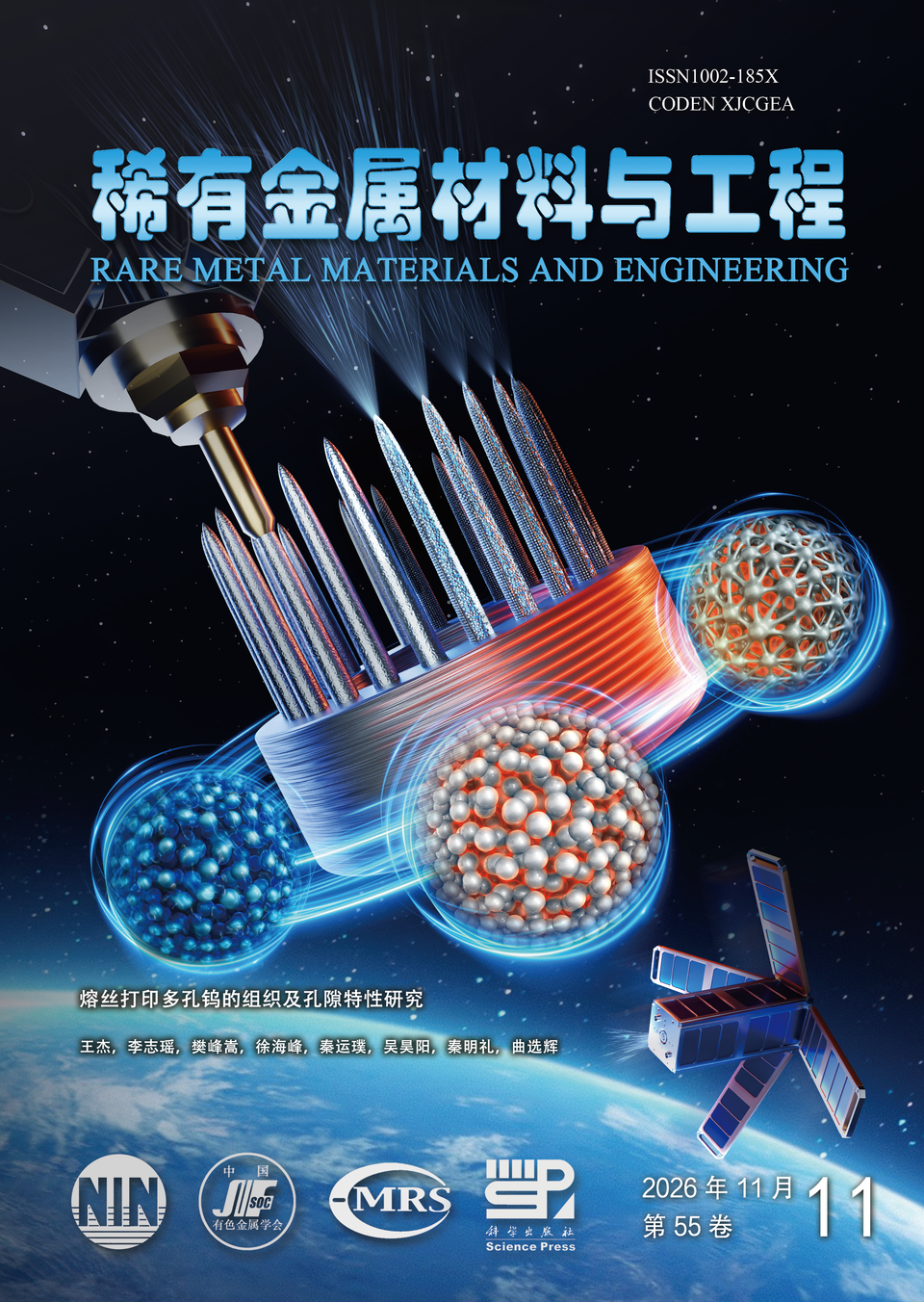
Research on the Microstructure and Pore Characteristics of Fused Filament-Fabricated Porous Tungsten
Wang Jie, Li Zhiyao, Fan Fengsong, Xu Haifeng, Qin Yunpu, Wu Haoyang, Qin Mingli, Qu Xuanhui
Abstract:Porous tungsten structures were prepared by fused filament fabrication (FFF). The microstructural evolution at each stage of the FFF process and the final pore characteristics of the sintered tungsten were investigated systematically. The results show that porous tungsten components with tightly bonded layers and no defects are successfully prepared by FFF. The maximum loading of commercial tungsten powder with a particle size of 3 μm reaches 56%, and the compounded feedstock exhibits excellent rheological properties. Furthermore, the influence of printing parameters on the green density was investigated, identifying the optimal combination: the nozzle diameter of 0.6 mm, a layer thickness of 0.1 mm, and the printing speed of 30 mm/s. The porous tungsten prepared by FFF shows a uniform pore distribution. As the sintering temperature increases, the average pore size decreases, the complexity of the pores increases, and the hardness and compressive strength increase.
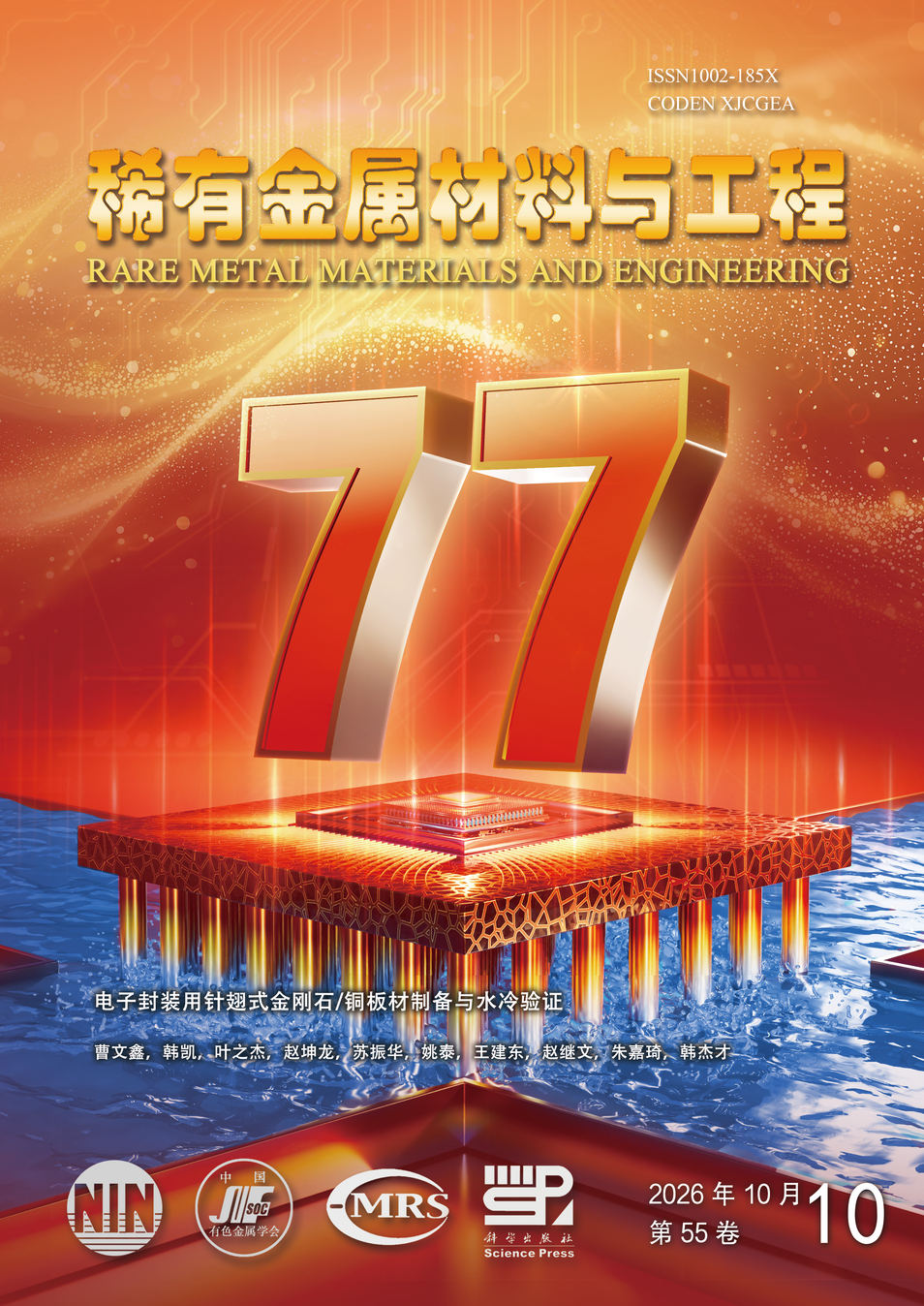
Preparation and Water Cooling Verification of Pin-Fin Diamond/Copper Plates for Electronic Packaging
Cao Wenxin, Han Kai, Ye Zhijie, Zhao Kunlong, Su Zhenhua, Yao Tai, Wang Jiandong, Zhao Jiwen, Zhu Jiaqi, Han Jiecai
Abstract:Thermal management in electronic packaging is one of the important technical bottlenecks hindering the development of integrated circuits. Diamond/copper composites have excellent performance in the field of thermal management, but the difficulty in their complex structure formation leads to applications restricted in the field of water cooling in electronic packaging. In this research, the sintering performance between the green body and the composite plate was enhanced by employing a silver doping strategy, thereby addressing the thermal management challenges in electronic packaging. Composite base plates and pin-fin type composite base plates were prepared, and their application benefits were evaluated in both indirect and direct water cooling scenarios. Results demonstrate that the silver-doped copper billet achieves good sintering performance when combined with tungsten-coated diamond/copper composite plates. The composite base plate and the pin-fin type composite base plate effectively reduce the temperature of the heating sheet by 5–6 °C and 4–5 °C during water-cooling tests respectively. The numerical simulation results are in good agreement with the experimental data, confirming the excellent thermal uniformity of the composite structures. This research successfully overcomes the limitations associated with the low thermal conductivity of traditional packaging components and the challenges in fabricating complex structures using diamond/copper composite materials.
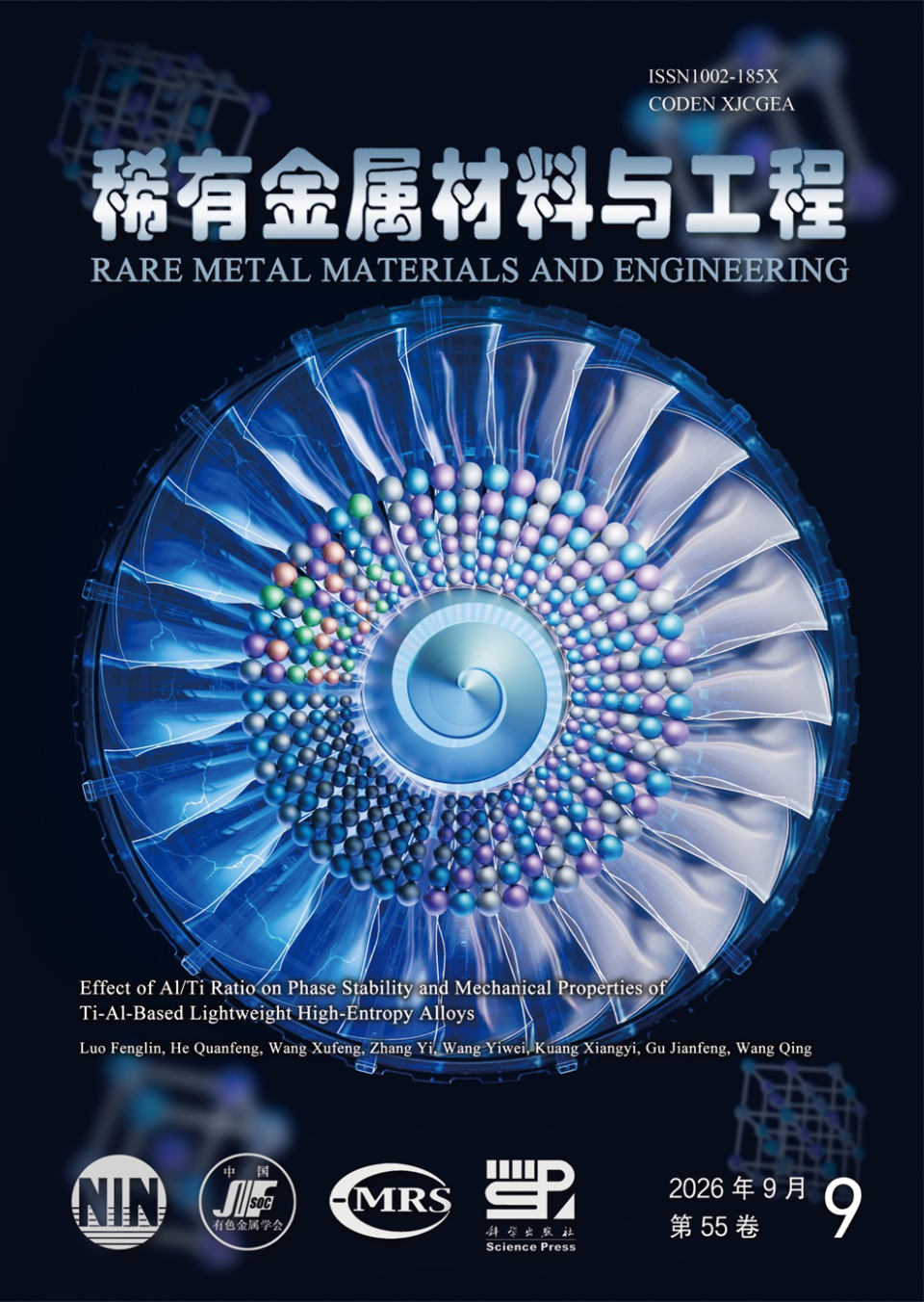
Luo Fenglin, He Quanfeng, Wang Xufeng, Zhang Yi, Wang Yiwei, Kuang Xiangyi, Gu Jianfeng, Wang Qing
Abstract:Lightweight high-entropy alloys (LWHEAs) represent a promising class of materials for advanced structural applications. However, achieving precise control over their phase formation and mechanical properties remains a significant challenge. Although the conventional empirical parameters (mixing enthalpy ΔHmix, valence electron concentration, atomic size mismatch δ, and electronegativity difference Φ) provide general guidance for phase stability in Ti-Al-based LWHEAs, their predictive accuracy is restricted. The Al/Ti atomic ratio (γ, namely Al/Ti ratio) is a more decisive and precise criterion for microstructure control. Guided by this parameter, a series of Ti(50–x)Al(6.5+x)V11.5Nb14.5Zr17.5 alloys were designed and synthesized. Results reveal that γ critically governs the precipitation, extent of short-range ordering, and grain refinement of B2 phase. Additionally, a moderate γ value of approximately 2.0 (Ti46Al10.5 alloy) yields an optimal synergy of high yield strength (>1 GPa) and considerable tensile ductility (>20%), whereas excessively high γ leads to embrittlement. This work considers γ as a key compositional parameter and provides a practical framework for designing high-performance LWHEAs through integrated parametric and element-ratio control.

Zhu Jialei, Wang Yuke, Zeng Caiyou, Li Shougen, Zhu Wenlei, Shao Mingxing, Yang Zilong
Abstract:In response to the need for in-situ repair of deep cracks in a naval ship, a 4 mm-deep 30° U-shaped groove was prepared on 921A steel. Groove filling experiments were conducted using local dry underwater oscillating laser wire feed welding under the conditions of air and shallow water. The microstructure and properties of the welds were analyzed. The results indicate that sound welds without significant defects are obtained in both air and shallow water. Owing to the effective shielding gas protection within the local dry cavity and the rapid cooling effect underwater, the shallow water weld exhibits a bright white surface with densely distributed fish-scale patterns. The air weld includes a higher fraction of acicular ferrite, whereas the rapid cooling in water promotes the formation of lath martensite. The main alloying elements under both environments exhibit a smooth transition near the fusion lines with good metallurgical bonding. However, due to the higher cooling rate in the shallow water compared with that in air, there is a greater fluctuation in elemental distribution, along with higher contents of Si, Mn, and Mo and a slightly lower Cr content in the shallow water weld. The shallow water weld shows higher overall hardness than the air weld, though the hardness distribution trends across different zones are similar in both cases. Tensile tests reveal that fracture occurs in the base metal under both environments, with the tensile strength and yield strength ranking as follows: shallow water weld>air weld>base metal. However, electrochemical corrosion tests indicate that the shallow water weld has inferior corrosion resistance compared to the air weld.

Ran Xing, Chen Yisi, Wen Di, Long Xingquan, Gao Xiaohui, He Liangju, Li Peijie
Abstract:Large-scale and complex thick-walled titanium alloy casings produced by investment casting are key components in heavy-duty gas turbine. Characterized by their large contour size, substantial wall thicknesses, and complex shapes, these castings often face challenges such as difficult monolithic molding, numerous shrinkage pore and shrinkage cavity defects, and low dimensional accuracy, limiting the assembly and use of high-power gas turbines. The solidification temperature field and flow field during centrifugal investment casting process were investigated using the ProCAST software. Results show that the potential isolated liquid phase regions are identified. According to the characteristics of centrifugal casting, the mathematical models for designing spiral runner and inclined riser are derived. Based on this, an integrated gating system is developed, which combines exhaust gas and slag collection, flow regulation, and temperature field optimization, thereby significantly reducing solidification defects in castings. Furthermore, a wax mold splicing scheme is designed, and a wax mold tree for the gating system is constructed, featuring a straight runner, cross runner, and inner runner with cross-sectional area ratios of 1:2.5:6. Additionally, through the integration of dimensional calibration and shell reinforcement tooling, high-quality castings with complete filling, good metallurgical quality, and precise dimensional accuracy are achieved. This work provides effective technical guidance for the manufacturing of titanium alloy casings in heavy-duty gas turbines, and the gating system configuration offers reference value for other large-scale and complex thick-walled titanium alloy castings.
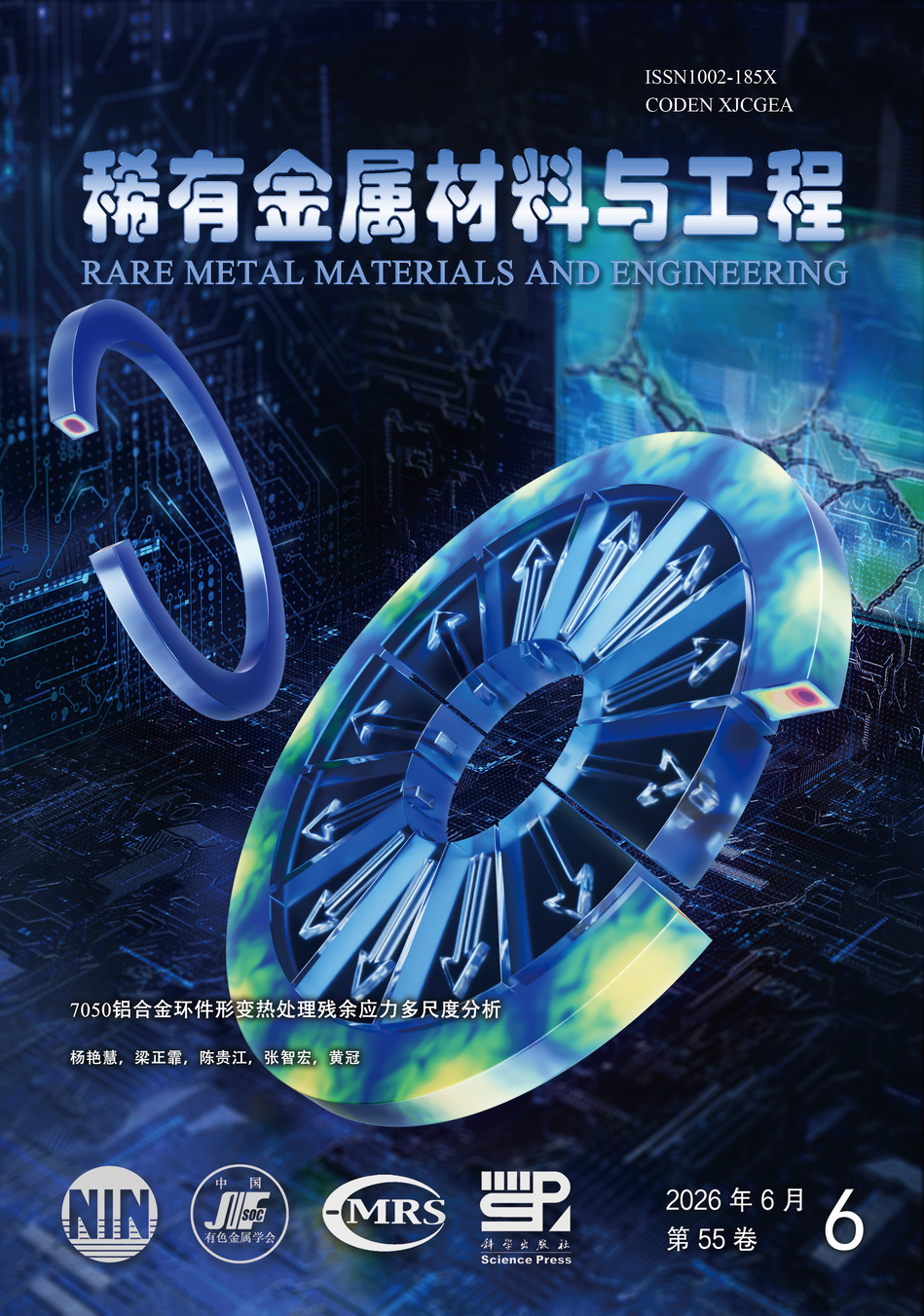
Yang Yanhui, Liang Zhengfei, Chen Guijiang, Zhang Zhihong, Huang Guan
Abstract:In the process of preparing and processing aluminum alloy rings, micro residual stress is generated, while macro residual stress is also generated. The release and redistribution of macro residual stress cause the deformation of the workpiece during processing and service, which will affect its dimensional accuracy. The superposition of macro residual stress and external force reduces the strength and fatigue limit of the workpiece. Under the combined action of micro-residual stress and external force, it is easy to cause stress concentration in the micro-area, so that the workpiece produces micro-cracks under far less than the yield stress, and ultimately fractures. The most important process affecting the residual stress in aluminum alloy forgings is the quenching process after solution treatment. In this paper, the macro residual stress of 7050 aluminum alloy ring during solution-cold bulging process was detected by blind hole method, and the macro finite element simulation of 7050 aluminum alloy ring during solution-cold bulging process was carried out by ABAQUS software. The macro residual stress evolution law of 7050 aluminum alloy ring during solution-cold bulging process was analyzed. It is concluded that the introduction of appropriate cold bulging process after solution quenching can greatly reduce the macro residual stress of 7050 aluminum alloy. The cross-scale analysis of residual stress is realized by the combined application of multi-scale simulation methods: Based on the crystal plastic finite element simulation method, the micro-area of interest is determined according to the macro-finite element simulation results, and the strain history of the micro-area is extracted. The strain history is applied to the micro-polycrystal model at the corresponding position by ABAQUS software to study the distribution law of micro-residual stress and its relationship with the microstructure.
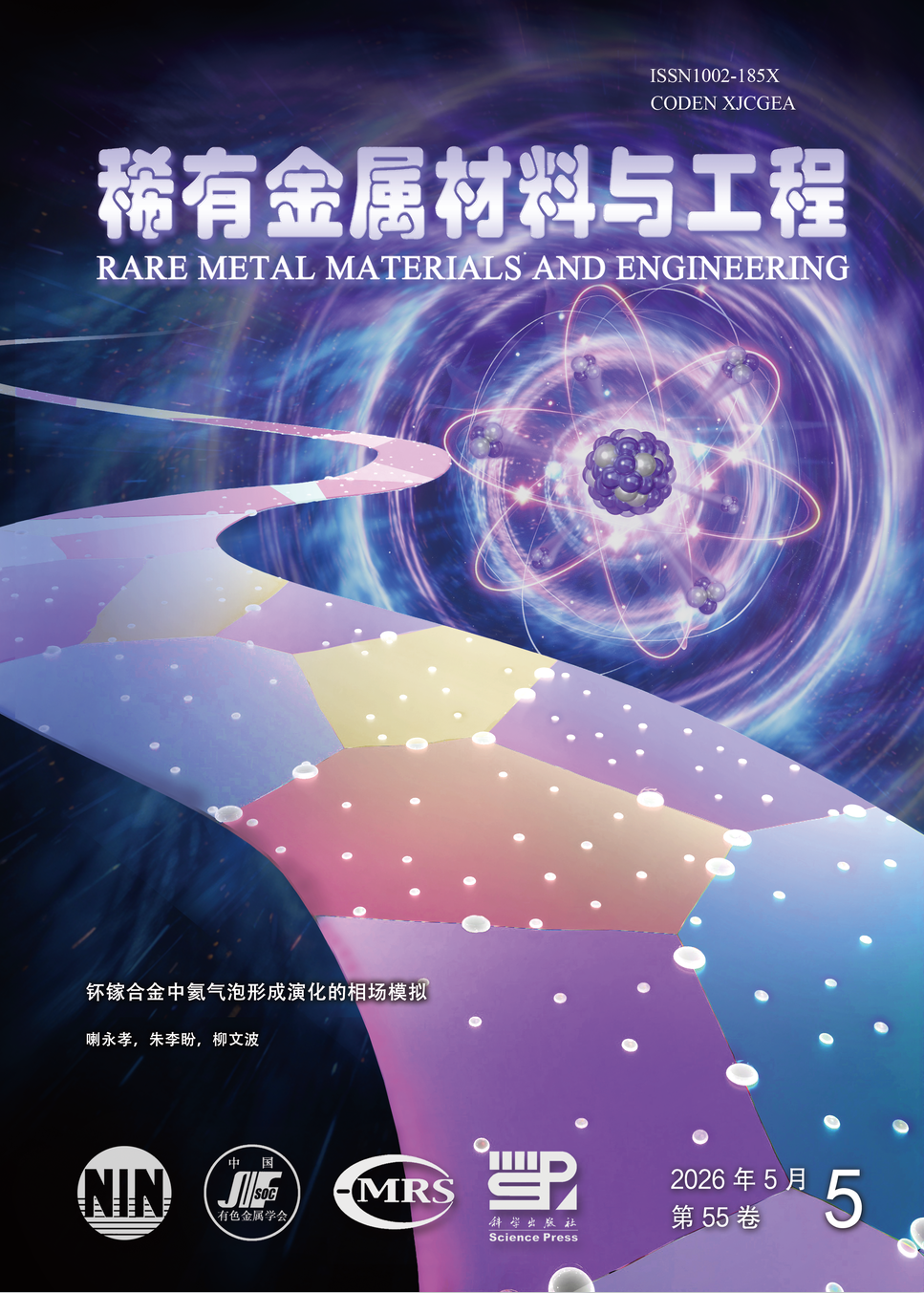
Phase-Field Simulation of Helium Bubble Formation in Pu-Ga Alloy
La Yongxiao, Zhu Lipan, Liu Wenbo
Abstract:Pu-Ga alloys are vital nuclear materials. However, the nucleation and growth of helium bubbles significantly affect their microstructural evolution and mechanical properties. In this work, a phase-field model was developed to simulate the formation and evolution of helium bubbles in Pu-Ga alloys during room-temperature aging. The model analyzed the morphological evolution of helium bubbles under different aging time and temperatures. According to phase-field simulation results, the variation curves of average diameter and number density of bubbles were obtained. The results show that at room temperature, bubble size and spatial distribution remain nearly unchanged, while the number density increases linearly. These simulation results align well with published experimental data. Further analysis indicates that aging temperature primarily affects growth kinetics of bubbles by influencing point defect mobility rate. In contrast, the exceptionally low diffusion coefficient at room temperature is the key factor leading to the unique evolution trends observed in bubble size and number density. This study provides a mesoscale theoretical model for accurately predicting the growth behavior of helium bubble in Pu-Ga alloys.

Cong Guanghui, Chen Zhibin, Cui Xiping, Huang Lujun, Wang Zhiqi, Zhang Yuanyuan, An Qi, Chen Xin, Wang Shuai, Geng Lin
Abstract:Discontinuously reinforced titanium matrix composites (DRTMCs) exhibit advantages such as light weight, high strength, and heat resistance, demonstrating broad application prospects in aerospace, consumer electronics, and other fields. Inspired by the multi-scale architectures of natural materials, the design of DRTMCs has evolved from uniformly distributed single reinforcements to architecture reinforcement configurations, and further to the coordinated design and regulation of multi-scale reinforcement architectures coupled with hierarchical titanium matrix. This progression has enriched their microstructure, leading to the formation of multi-scale heterogeneous structures. Such structures fully leverage synergistic strengthening mechanisms to enhance strengthening efficiency. Moreover, these composites effectively avoid strain localization to ensure favorable plasticity while maintaining excellent damage resistance. This review summarizes typical configuration design strategies and their evolutionary pathways in DRTMCs, elucidates the underlying strengthening-toughening mechanisms, and proposes future research directions based on current advancements to advance the application of high-performance titanium matrix composites in critical fields.
- Current Issue |
- Latest Issue |
- Online First |
- Archive |
- Virtual Collection |
- Highlights |
- Latest Collection
-
Wang Runze, Tang Jincheng, Shan Xuepeng, Huang Zhaozhen, Li Sijing, Yan Ming
2026,55(11):2713-2726 DOI: 10.12442/j.issn.1002-185X.20250452
Abstract:Block and Gyroid scaffold Fe-30Mn alloys were prepared by powder bed fusion with laser beam (PBF-LB) and in-situ alloying, and the effects of different printing parameters on the performance of specimens were studied. Results show that insufficient laser energy input during printing leads to inhomogeneous mixing of iron and manganese, which degrades the properties of the alloy. Excessively high energy input can cause manganese to vaporize, yielding a composition that deviates from the target. With optimized laser parameters, block specimens exhibiting a uniform Fe/Mn distribution can be obtained with an ultimate tensile strength of 644.67 MPa, an elongation of 21.61%, and a corrosion rate of 0.042 mm/a in simulated body fluid. Moreover, the resulting porous scaffold shows a porosity of 49.84%, a yield strength (0.2% offset) of 66.11 MPa, a compressive strength at 20% strain of 170.76 MPa, and an elastic modulus of 6.41 GPa. The results of indirect toxicity tests and cell adhesion tests show that the alloys have good biocompatibility. In conclusion, the Fe-30Mn alloy prepared by PBF-LB in-situ alloying holds promise for biodegradable human bone implants.
-
2026,55(11):2785-2793 DOI: 10.12442/j.issn.1002-185X.20250445
Abstract:The lattice-structured porous Ni-Fe alloys with high porosity (95%?98%) were prepared by electrodeposition coupled with additive manufacturing technique. Two types of lattice-structured models were designed, namely tetrahedral structure and simple cubic. It is found that reducing the strut length or increasing the strut diameter and the inclination angle of struts relative to the horizontal direction significantly enhances the specific surface area of the lattice structures. The influence of electrodeposition parameters on the macroscopic morphology and structural characteristics of the porous Ni-Fe alloys was analyzed. The optimal electrodeposition conditions are determined as follows: cathode current density of 2?3 A·dm-2, deposition temperature of 50?60 ℃, electrolyte pH of 3, and deposition time of 1 h. Under such condition, both tetrahedral and simple cubic porous Ni-Fe alloys were prepared. The uniaxial quasi-static compression tests demonstrate that the yield strength of the tetrahedral porous Ni-Fe alloy reaches 22.91 MPa, which is 35.8% higher than that of the simple cubic structure. Finite element simulation results indicate that the stress under compressive loading is concentrated in the nodal regions of the alloys with both two lattice structures. The stress concentration is the main cause for the local deformation and fracture.
-
Research on the Microstructure and Pore Characteristics of Fused Filament-Fabricated Porous Tungsten
Wang Jie, Li Zhiyao, Fan Fengsong, Xu Haifeng, Qin Yunpu, Wu Haoyang, Qin Mingli, Qu Xuanhui
2026,55(11):2794-2801 DOI: 10.12442/j.issn.1002-185X.20250453
Abstract:Porous tungsten structures were prepared by fused filament fabrication (FFF). The microstructural evolution at each stage of the FFF process and the final pore characteristics of the sintered tungsten were investigated systematically. The results show that porous tungsten components with tightly bonded layers and no defects are successfully prepared by FFF. The maximum loading of commercial tungsten powder with a particle size of 3 μm reaches 56%, and the compounded feedstock exhibits excellent rheological properties. Furthermore, the influence of printing parameters on the green density was investigated, identifying the optimal combination: the nozzle diameter of 0.6 mm, a layer thickness of 0.1 mm, and the printing speed of 30 mm/s. The porous tungsten prepared by FFF shows a uniform pore distribution. As the sintering temperature increases, the average pore size decreases, the complexity of the pores increases, and the hardness and compressive strength increase.
-
Liu Zheng, Zha Zhengshu, Peng Cong, Zhang Wenwei, Chen Meng, Luo Le, Zhang Qi
2026,55(11):2802-2811 DOI: 10.12442/j.issn.1002-185X.20250336
Abstract:Three types of truss rod unit lattice structures were nested within the honeycomb cavities to obtain a new honeycomb-nested lattice structure. Using AlSi10Mg powder as the material, samples with different relative densities of the new bcc honeycomb-nested lattice structure (HC-N-bcc), honeycomb-nested symmetric rod lattice structure (HC-SP), new fluorite-type honeycomb-nested lattice structure (HC-N-F), and hollow honeycomb structure (HC-E) were fabricated by the selective laser melting (SLM) technique. Lateral compression mechanical properties, macro-micro deformation mechanisms, and energy absorption analyses were conducted on these samples. The results show that the lateral compression performance of the honeycomb-nested lattice structures is significantly superior to that of the hollow honeycomb structure. At the relative density of 46%, the HC-SP structure exhibits a compression modulus and peak stress that are 43% and 44.7% higher than those of HC-E, respectively. Under the strain of 50%, its energy absorption (
) and crushing force efficiency (CFE) are 7.7 and 5.3 times higher than those of HC-E, respectively. When truss unit lattices are embedded in the honeycomb cavities, the honeycomb shell deforms gradually and uniformly instead of fracturing instantly, significantly improving the compressive stability of the honeycomb structure. Furthermore, the larger the proportion of the truss volume in the overall structure, the better the performance improvement of the honeycomb-nested lattice structure. -
Ren Yongheng, Shi Yixuan, Zheng Yuzhe, Huang Chengcong, Zhao Shangyan, Li Xuan, Lu Yuchen, Wu Yuzhi, Li Peipei, Li Yageng, Wang Luning
2026,55(11):2894-2915 DOI: 10.12442/j.issn.1002-185X.20250646
Abstract:Laser powder bed fusion (LPBF) has emerged as a powerful additive manufacturing technique for fabricating architected cellular metallic structures with precisely tailored properties, making it particularly attractive for biomedical applications such as bone implants, scaffolds, and load-bearing devices. By enabling lightmass designs, complex geometries, and tunable mechanical behavior, LPBF offers unique opportunities for matching implant performance with biological and mechanical requirements. However, the intricate coupling between LPBF process parameters and the resulting structural, microstructural, and mechanical properties remain a major challenge for achieving the consistency and reliability demanded in clinical practice. This review comprehensively analyzed the effects of key LPBF parameters, such as laser power, scanning speed, and layer thickness on dimensional accuracy, relative density, microstructure, and surface roughness of metallic cellular structures. Their subsequent influence on mechanical performance, such as strength, fatigue resistance, and functional behavior, was critically discussed with a focus on biomedical relevance. In addition, the role of lattice design variables, including topology, unit cell size, and build orientation, was examined, highlighting their importance in optimizing mechanical integrity and biocompatibility. Current challenges, such as surface defects, geometric deviations, and microstructural heterogeneity, were identified as critical barriers to broader biomedical adoption. Finally, future perspectives emphasize process optimization and the integration of advanced computational approaches, particularly machine learning, to accelerate the design and manufacturing of complex, patient-specific biomedical architectures.
-
Liu Yalong, Yu Bin, Yan Xuejiao, Cheng Guanhua, Zhang Zhonghua
2026,55(11):2916-2927 DOI: 10.12442/j.issn.1002-185X.20250497
Abstract:The dealloying strategy based on dilute solid solution precursor holds significant importance in nanoporous metal fabrication. While conventional dealloying is constrained by the narrow compositional range of binary alloys, the dilute solid solution precursors achieve precise control over porous architectures by substantially expanding the tunable compositional range and optimizing kinetic pathways. Results show that structures such as high-aspect-ratio nanoporous microwires, ultra-high porosity freestanding thin films, and nested hierarchical nanoporous metals are fabricated, demonstrating significant advantages in functional applications: electrocatalytic materials achieve enhanced hydrogen evolution performance by optimizing surface electronic structures; solar steam generation devices leverage hierarchical porosity and localized surface plasmon resonance effects to attain broadband light absorption and efficient evaporation; and electroactuator materials overcome the limits of strain amplitude and strain rate by hierarchical network design. Critically, this strategy reveals a novel mechanism for synergistically resolving the fundamental compromise between high specific surface area/mass transfer efficiency and mechanical stability through the coordinated design of precursor composition and dealloying parameters.
-
Chen Xin, Yang Qing, Li Zhaokun, Liu Rong, Geng Yingxin
2026,55(11):2928-2936 DOI: 10.12442/j.issn.1002-185X.20250460
Abstract:Dealloyed porous copper exhibits exceptional and adaptable functional properties, offering broad application potential in thermal management, catalytic sensing, and shock absorption. Structural regulation represents a key approach for enhancing its functional properties, whereas mechanical behavior is essential to ensure structural integrity and reliability under service conditions. Based on recent advances in structural regulation and mechanical properties of dealloyed porous copper, this review summarized the dealloying mechanisms and structural features of diverse precursor systems, including intermetallic compounds, solid solutions, and immiscible alloys, and also outlined the corresponding strategies for pore structural regulation. Moreover, it reviewed the current research progress on mechanical behavior of porous copper, and highlighted its major strengthening approaches and predictive models. Finally, this review outlined the key research directions of structural design and mechanical properties for the future.
-
Yang Kun, Shen Lei, Zhao Shaoyang, Xu Chenyang, Xu Zhongguo
2026,55(11):2937-2947 DOI: 10.12442/j.issn.1002-185X.20250417
Abstract:Porous metallic materials are a class of materials characterized by their structurally and functionally integrated features, with a well-defined pore structure being their most notable attribute. This porous structure enables them to exhibit dual characteristics of both metallic and porous materials, making them widely applicable in fields such as nuclear industry, petrochemical engineering, and aerospace. Additive manufacturing technology allows for the integrated fabrication of complex porous metallic structures, offering advantages such as high material utilization rate and precise control over pore structure. This paper reviews the current development of additive manufacturing technologies for metallic porous materials, focusing on the pore formation mechanisms and performance characteristics of additively manufactured porous metallic materials. It also summarizes their application progress in industries such as healthcare and mold manufacturing, discusses the integration of artificial intelligence in metallic additive manufacturing, and provides an outlook on the future development of this technology.
-
Wang Ying, Zhou Zhilan, Han Gaofeng, Lang Xingyou, Jiang Qing, Han Liping, Shi Hang
2026,55(11):2948-2963 DOI: 10.12442/j.issn.1002-185X.20250434
Abstract:Nanoporous metals, with their unique pore structure and excellent electrochemical properties, demonstrate significant application potential in the fields of energy and energy storage. Their structural characteristics provide a large specific surface area and superior conductivity, and their composition and structure are tunable. As a result, nanoporous metals play a crucial role in the field of energy conversion applications. This paper reviews the synthesis methods and structural regulation of nanoporous metals, with a focus on their applications in electrocatalytic reactions (such as oxygen evolution reaction and hydrogen evolution reaction) and energy storage devices (such as lithium-ion batteries, potassium-ion batteries, and supercapacitors). The results indicate that nanoporous metals not only enhance catalytic efficiency but also significantly improve battery cycle stability and energy density. However, issues such as the reproducibility of synthesis methods, long-term stability, cost, and technical challenges in practical applications require further investigation. Future research will focus on optimizing the microstructure and surface properties of nanoporous metals to achieve efficient and sustainable energy solutions.
-
Li Jiayi, Xiao Zihui, Li Hong, Ding Yi
2026,55(11):2964-2979 DOI: 10.12442/j.issn.1002-185X.20250528
Abstract:Nanoporous metal catalysts (NPCs) demonstrate remarkable advantages in the field of catalytic hydrogenation due to their high specific surface area, tunable pore structures, and confinement effects. This review elaborates on NPCs represented by Raney nickel, focusing on the preparation principles involving the construction of three-dimensional porous structures by chemical dealloying. It provides in-depth discussions on the key factors influencing catalytic performance from four perspectives: crystal structure, residual aluminum, pore characteristics, and dopants. Furthermore, the applications of these catalysts in the hydrogenation of unsaturated bonds, transformation of nitro/cyano-compounds, and upgrading of biomass platform molecules were reviewed, highlighting the essential role of the porous structure in providing high surface area, optimizing substance transfer pathways, and modulating reaction selectivity.
-
Peng Haodong, Li Zhuo, Sun Muqun, Chen Yingying, Zhao Linlin, Zhang Xin
2026,55(11):2727-2736 DOI: 10.12442/j.issn.1002-185X.20250605
Abstract:The microstructure, mechanical properties, corrosion behavior, and cytotoxicity of biodegradable Zn-1.5Sn-xSr alloys (x=0, 0.3, 0.5, wt%) were investigated. The results indicate that the addition of Sr introduces minor SrZn13 phases, enhancing the yield strength and elastic modulus of the Zn-1.5Sn-xSr alloys. Transmission electron microscopy analysis reveals the existence of the SrZn13 phase through the calibration of diffraction spots. Electrochemical tests confirm the formation of a passive film on Zn-1.5Sn-xSr alloys, with Zn-1.5Sn-0.3Sr alloy exhibiting higher corrosion resistance. Further immersion tests and X-ray photoelectron spectroscopy analysis elucidate the elemental composition and content of the passive film formed by the corrosion products, which primarily consists of oxides, hydroxides, and slightly soluble carbonates and phosphates. In terms of cytotoxicity, the Zn-1.5Sn-xSr alloys exhibit excellent biocompatibility. MTT experiments show that the cell viability can reach up to 130%, which is attributed to the release of Sr2+ during the degradation. Sr2+ and Zn2+ ions jointly promote the cell proliferation and differentiation.
-
Jin Zonghan, Feng Changjie, Zhang Yudi, Wu Hong, Wang Henan
2026,55(11):2737-2746 DOI: 10.12442/j.issn.1002-185X.20250613
Abstract:Ceramic coatings were prepared on 2195 Al-Li alloy by micro-arc oxidation (MAO) in a silicate-phosphate electrolyte solution under different current densities. The effect of current density varying from 200 A/m2 to 800 A/m2 on the microstructure, corrosion resistance, and wear resistance of MAO coatings was investigated. The surface and cross-sectional morphologies, composition, and roughness of MAO coatings were analyzed by scanning electron microscope, energy disperse spectrometer, X-ray diffractometer, X-ray photoelectron spectroscope, and surface roughness tester. The results show that with the increase in current density, the roughness and thickness of MAO coating increase. MAO coatings are mainly composed of γ-Al2O3 and a small amount of α-Al2O3. MAO coatings prepared under the maximum current density is the densest. Potentiodynamic polarization tests indicate that the corrosion resistance of coatings increases with the increase in current density. When the current density is 800 A/m2, MAO coating exhibits the best corrosion resistance, with a corrosion potential of -0.536 V and a corrosion current density of 4.32×10⁻⁷ A/cm2, which is two orders of magnitude lower than that of the substrate. Electrochemical impedance spectroscopy results indicate that, at a current density of 800 A/m2, the sample possesses the largest capacitive arc radius and the highest impedance magnitude in the low-frequency region. The wear resistance of MAO coatings increases with the increase in current density. When the current density is 200 A/m2, the wear mechanism is dominated by abrasive wear. With further increase in current density, the wear mechanism remains abrasive wear. MAO coatings prepared at 800 A/m2 show the best wear resistance with a wear rate of 1.355×10⁻⁴ mm3/(N?m).
-
Xie Zheng, Wang Longlong, Tan Chengwen, Yu Xiaodong, Ning Xianjin
2026,55(11):2747-2755 DOI: 10.12442/j.issn.1002-185X.20250595
Abstract:This study optimized the previously established low-pressure chemical vapor deposition (CVD) model for tungsten, enabling its application under atmospheric pressure conditions to deposit high-performance coatings on the surface of rocket engine throat liners. The effects of three distinct reactor configurations, including a straight-tube inlet, an integrated gas distribution device, and a combination of a distribution device with a flow guide baffle, on the flow dynamics, thermal field, species concentration, and deposition kinetics of reactors were investigated. Numerical and experimental results demonstrate that the configuration incorporating both a distribution device and a baffle eliminates vortices within the liner region by promoting radial gas diffusion, thereby significantly improving flow field uniformity. This optimized design not only improves the uniformity of the deposition rate on the throat insert, but also slightly enhances the service efficiency of tungsten hexafluoride. This work provides a theoretical foundation for designing CVD systems for highly uniform tungsten coatings and offers a practical solution for their engineering application.
-
Du Juan, Bao Shengzhong, Yang Shaodan, Zhou Yanjun, Zhuang Yuwei, Cao Shuguang
2026,55(11):2756-2764 DOI: 10.12442/j.issn.1002-185X.20250607
Abstract:The corrosion behavior of unoxidized and pre-oxidized 56Cu-22Ni-12Fe-8Al-2La anode alloys was investigated in a Na3AlF6-K3AlF6-AlF3-Al2O3 electrolyte for aluminum electrolysis at 800 °C. Electrochemical tests of the metal anodes in molten salt for aluminum electrolysis were conducted, and the corrosion mechanism of the alloys was investigated. Results show that the oxide layer formed on the pre-oxidized alloy at 800 °C in an O2 atmosphere mainly consists of oxides of aluminum, nickel, iron, copper, and lanthanum. After aluminum electrolysis for 3 h, the corrosion products formed on the unoxidized anode alloy demonstrate a tri-layered structure, and the discontinuous and porous oxide layer provides a connected channel during electrolysis, allowing the electrolyte to directly penetrate the metal matrix to a depth of approximately 320 μm. The corrosion oxide layer formed on the pre-oxidized anode alloy is about 190 μm in thickness. The outer and inner oxide layers include continuous Ni-/Fe-/Al-/Cu-rich oxides (mainly NiFe2O4 and CuAlO2). The middle layer, with a thickness of about 15 μm, contains a dense and continuous NiFe2O4 layer. A small amount of electrolyte appears in the oxide layer and penetrates into the metal matrix. The pre-oxidized alloy exhibits better corrosion resistance and stability than the unoxidized alloy during aluminum electrolysis.
-
Xu Lianbo, Li Xinlei, Gui Yongliang, Song Chunyan, Long Haiyang, Han Shangda, Yang Yusheng, Wu Qiming
2026,55(11):2765-2775 DOI: 10.12442/j.issn.1002-185X.20250655
Abstract:NbTiZrMox alloys were prepared by vacuum arc furnace with high-purity powder mixtures of Nb, Ti, Zr, and Mo as raw materials. The role of element Mo in NbTiZrMox alloys and the effect of different Mo content on microstructure, microhardness, wear resistance, and corrosion resistance of NbTiZrMox alloys were investigated. Results show that these alloys display a typical dendritic morphology with a single-phase body-centered cubic crystal structure. The microhardness and wear resistance of NbTiZrMox alloys are significantly improved with the increase in Mo content, which is attributed to solid-solution strengthening and fine-grain strengthening. With the increase in Mo content, the dominant wear mechanism of the alloy transforms from adhesive wear accompanied by abrasive and oxidative wear to oxidative wear with slight adhesive wear. Electrochemical corrosion tests conducted in a 3.5wt% NaCl solution reveal that the corrosion resistance of NbTiZrM
alloys exhibits a trend of initial enhancement followed by deterioration as Mo content rises. The alloy containing 14.29at% Mo achieves the optimal corrosion resistance, demonstrating that an appropriate addition of Mo facilitates the formation of a stable passive film and thereby markedly improves the corrosion resistance of the alloy. -
Yang Dayong, Wen Xiangjie, Deng Xiwen, Meng Fanyu, Gao Tiejun
2026,55(11):2776-2784 DOI: 10.12442/j.issn.1002-185X.20260008
Abstract:To address quality issues such as cracking and earing during the thermal deep drawing of TC4 titanium alloy cylindrical parts, an ultrasonic vibration-assisted forming method was proposed. The effects of ultrasonic vibration on the thermal performance and high-temperature interfacial friction behavior of TC4 titanium alloy were studied by ultrasonic vibration-assisted tensile and sliding friction experiments. By analyzing the drawing force, surface quality, wall thickness distribution, and earing morphology of the fixed-dimension blank under different temperature conditions, the influence of ultrasonic vibration on the forming process and forming quality of TC4 cylindrical part was clarified. Finally, through variable-dimension limit drawing experiments under different temperature conditions, the limit drawing coefficient and the effective height of the TC4 cylindrical part assisted by ultrasonic vibration were obtained. The research findings indicate that applying ultrasonic vibration during the thermal deep drawing of TC4 cylindrical parts can not only effectively reduce the drawing force and earing ratio, but also improve the uniformity of wall thickness distribution, significantly enhancing the limiting drawing ratio and effective height of the drawn specimens.
-
Li Ping, Liu Shaofeng, Yu Renhai, Liu Baisong, Liu Le, Xue Kemin
2026,55(11):2812-2818 DOI: 10.12442/j.issn.1002-185X.20250369
Abstract:High-temperature and electro-assisted tensile experiments were conducted on TC4 titanium alloy, with the deformation temperature of 600?900 ℃ and the current density of 14?22 A/mm2. The effects of temperature and current density on the flow stress of the alloy were investigated. The experimental results show that during the hot tensile process, the flow stress of the material decreases with the increase in temperature, and the elongation is positively correlated with temperature. The flow stress of the material decreases after applying pulsed current, and the elongation first increases and then decreases with the increase in current density. Finally, based on the true stress-true strain data of tension, a multi-physical field constitutive model coupling thermal and athermal effects was constructed on the basis of the original Johnson-Cook model framework. The constitutive model parameters were determined by the regression fitting method, and error analysis was performed between the experimental and predicted values. The results show that the coefficient of determination R2 of the constitutive model is more than 0.95, the mean relative error is less than 2.5%, which indicates that the model has relatively good predictive ability within a wide range of process parameters. The research aims to provide a theoretical basis for the electro-assisted forming of titanium alloys and a reference for optimizing forming process parameters.
-
Ouyang Xin, Cheng Lei, Man Jianfeng, Yuan Chunming, Ma Zhiyuan, Zhang Kexin, Luo Hao, Qin Nana, Wang Jinhua, Guo Dagang
2026,55(11):2819-2825 DOI: 10.12442/j.issn.1002-185X.20250398
Abstract:The hydrogen compatibility of FV520B steel immersed in different hydrogen-blended natural gas environments was evaluated through slow strain-rate tensile testing, fatigue crack propagation testing, and fracture toughness testing and fracture morphology and microstructural characteristic were analyzed. The results show that as the hydrogen blending ratio and gas pressure increase, both the tensile strength and yield strength of FV520B steel decrease in different degrees, and the elongation after fracture and the reduction of area also decrease, demonstrating hydrogen induced plastic loss phenomenon. With increasing hydrogen content and gas pressure, the crack growth rate-stress intensity factor range curves shift left, leading to earlier crack propagation and faster entry into unstable fracture of the sample. Meanwhile, the fracture toughness KIC value of FV520B steel decreases, and a tendency towards brittleness is observed in the low magnification fracture morphology of the material. The present study provides an important basis for evaluating the engineering application of centrifugal compressor impeller materials during transport of hydrogen-blended natural gas.
-
Dong Chengli, Hong Jianfeng, Sha Aixue, Peng Zichao, Wang Xuqing, Li Xingwu
2026,55(11):2826-2834 DOI: 10.12442/j.issn.1002-185X.20250405
Abstract:To address the lack of service performance evaluation of the extruded and forged FGH95 alloy under the service conditions of the aero-engine powder-disc components, a feature-base specimen based on the maximum principal strain gradient on the retaining groove of the powder-disc component were designed according to certain design criteria, and the design method was verified. Then, the fatigue life method based on the theory of critical distance (TCD) was employed to predict the service life. Finally, the fatigue life method and failure mechanisms were validated. The results show that the three-dimensional spatial domain automatic search method proposed in the present study can obtain the maximum principal strain gradient on the retaining groove. Compared with the Morrow-modified total strain life method commonly used in engineering, the TCD-life method incorporating the strain gradient can more accurately predict the fatigue life of the retaining groove. The important reason why the standard notched round bar specimen cannot accurately predict the fatigue life of the retaining groove is reasonably explained. The differences in the fatigue failure mechanisms of the standard notched round bar specimen, retaining groove, and its feature-base specimen are verified by fracture analysis techniques.
-
Luo Qinwen, Zhang Peng, Yu Qiang, Zhao Guannan, Hu Lijuan, Xu Shitong, Yao Meiyi, Zhou Bangxin
2026,55(11):2835-2843 DOI: 10.12442/j.issn.1002-185X.20250407
Abstract:Micro-motion wear is one of the primary factors limiting the service life of pressure tubes used in heavy-water reactors. To enhance the operational reliability of Zr-2.5Nb pressure tubes for heavy-water reactors. A pre-formed film with thickness of approximately 1 μm on the surface of Zr-2.5Nb alloy by three pre-oxidation treatment processes was prepared, and the relationship between its mechanical properties and microstructure was investigated. The three pre-oxidation treatment processes were conducted at 400 °C for 24 h: (1) in deoxidized superheated steam at 10.3 MPa; (2) in superheated steam with dissolved oxygen of 300 μg/kg; (3) in low-pressure steam at 2 MPa. The results indicate that the Zr-2.5Nb alloy consists of α-Zr and β-Zr phases, with both α-Zr and β-Zr phases exhibiting elongated morphologies. And β-Zr phase continuously distributes at the α-Zr grain boundaries. Microstructures of the films formed under different pre-oxidation conditions exhibit differences. Among them, the pre-formed film prepared under deoxidized conditions contains relatively more microcracks, with shorter and more randomly arranged columnar grains; the pre-formed film prepared under dissolved oxygen conditions is the densest with the fewest defects, while the pre-formed film prepared under low-pressure conditions has the greatest thickness with relatively more pores and cracks. Compared with the original alloy, the pre-formed film increases the nano-hardness of the alloy by 50%–180%, improves the hardness-to-modulus ratio (H/E) by approximately 56%–81%, and reduces the wear rate by 31%–44%. The pre-formed film significantly enhances the surface hardness and wear resistance of the alloy, transforming the wear mechanism from severe abrasive wear to mild adhesive wear. Among three pre-formed films, the pre-formed film prepared under dissolved oxygen conditions is the densest and exhibits the most pronounced hardness enhancement. This is because the strengthening effect of the pre-formed film is closely related to its microstructure. A dense and intact oxide film not only has higher hardness, but also adheres more firmly to the metal substrate, making it less prone to peeling or cracking under localized stress.
-
Bi Sheng, Hu Kaiqi, Zhou Bo, Xie Longfei, Zhu Jie, Zhang Haihong, An Zhen
2026,55(11):2844-2853 DOI: 10.12442/j.issn.1002-185X.20250410
Abstract:SiC and graphene nano-platelet (GNP) hybrid reinforced aluminum matrix (GNP/SiC/Al) composites were fabricated by high-energy ball milling combined with powder metallurgy process. The microstructure, mechanical properties, and wear performance of GNP/SiC/Al composites were characterized by SEM, TEM, universal tensile testing machines, and tribometers, with comparative analysis against gray cast iron (HT250). The results indicate that when SiC and GNP are uniformly dispersed in the matrix, the tensile strengths of composites are 287 and 101 MPa at room temperature and 350 ℃, respectively. During room temperature wear tests, the wear resistance of composites is lower than that of HT250. Both materials exhibit adhesive and abrasive wear mechanisms. Under high-temperature wear conditions, the wear resistance of the composites is better than that of HT250. HT250 exhibits adhesive and abrasive wear mechanisms, the composites are mainly characterized by adhesive wear. The exceptional high-temperature wear resistance of GNP/SiC/Al composites is attributed to three primary mechanisms: the high-temperature pinning effect of SiC and GNP; the self-lubricating properties of GNP; the formation of mechanically mixed layers during wear.
-
Microstructure and Mechanical Properties of High-Speed Extruded Mg-8Al-0.4Zn-0.9Ca-0.2Gd-0.2Mn Alloy
Meng Shuaiju, Wang Menglu, Chen Jianfei, Zhang Jianjun, Yang Guirong, Bi Guangli
2026,55(11):2854-2861 DOI: 10.12442/j.issn.1002-185X.20250420
Abstract:Trace amounts of Ca and Gd were used for composite alloying, and a large amount of high-melting point Al2Ca phase, Al2Gd phase, and Al8Mn5 phase were in-situ generated in the microstructure of Mg-8Al-0.4Zn-0.9Ca-0.2Gd-0.2Mn (AZXVM80100, wt%) alloy. Results show that these high-melting point phases can be extruded at a die exit speed of 32.4 m/min without any hot cracks. The excellent extrudability is mainly attributed to the dominant presence of Al2Ca, Al2Gd and Al8Mn5 phases with high thermal stability, which do not melt despite the substantial amount of deformation heat generated during the high-speed extrusion (32.4 m/min), avoiding hot cracking. Meanwhile, these thermally stable Al2Ca, Al2Gd, and Al8Mn5 phases exert a remarkable refining effect on the recrystallized grains. Besides, the as-extruded AZXVM80100 alloy displays a fully dynamic recrystallized microstructure. It has a typical basal texture and fine grains with an average grain size of 8.6±1.7 μm. Owing to the significant grain boundary strengthening, the as-extruded AZXVM80100 alloy demonstrates a high tensile yield strength of 257.4±4.1 MPa. Furthermore, the as-extruded AZXVM80100 alloy also exhibits a high elongation of (14.9±0.8)%, which is dominantly coordinated by dislocation slip. The newly developed high-speed extrudable AZXVM80100 alloy, containing large amounts of cheap elements (Al, Zn, Ca, Mn) and trace amounts of rare earth (Gd), has great potential in manufacturing extrusion profiles because of its good strength-ductility synergy.
-
Tian Tian, Liu Jiantao, Liu Mingdong, Zhang Yiwen, Zhang Ming, Zhang Qiang, Wang Yixing, Wang Minxi, Zhao Yuanhao
2026,55(11):2862-2871 DOI: 10.12442/j.issn.1002-185X.20250403
Abstract:FGH4097 and GH4079 alloys were prepared by powder metallurgy and wrought processes, respectively. The experimental results show that the grain size of FGH4097 superalloy is smaller and has more uniform distribution compared with that of GH4079 superalloy, with the former having a grain size of approximately ASTM grade 6.0 to 6.5 and the latter having a grain size of approximately ASTM grade 4.5 to 5.0. The size of the γ′ strengthening phase in FGH4097 superalloy is larger than that in GH4079 superalloy, with secondary γ′ phase being mostly cubic and having an average size of about 0.48 μm in FGH4097 superalloy, whereas in GH4079 superalloy, the secondary γ′ phase is mainly near-spherical with an average size of about 0.14 μm. Comparing the tensile properties of the two superalloys, the results indicate that under the tensile conditions from room temperature to 750 ℃, the tensile strength of the FGH4097 superalloy is higher than that of the GH4079 superalloy, and its plasticity is also significantly superior to that of the GH4079 superalloy. As the temperature increases, the difference in tensile strength and plasticity between the two superalloys becomes more pronounced. To further explore the high strength and high plastic deformation mechanisms of FGH4097 superalloy during tensile processes at different temperatures, the microstructure of the tensile fractures was characterized by TEM. For the FGH4097 alloy under tensile deformation conditions from room temperature to 650 °C, the dislocation configurations are predominantly characterized by high-density dislocation pile-ups in the γ channels, as well as dislocations cutting the γ′ phase in the form of superlattice stacking faults and antiphase domain boundaries, supplemented by a small number of continuous stacking faults cutting the γ′ and γ phases. This phenomenon indicates that the deformation of the alloy at low to medium temperatures is primarily controlled by dislocations cutting the γ′ phase. As the tensile temperature increases to 750–850 °C, the dislocation configuration in the FGH4097 alloy undergoes a significant transformation. A large number of microtwins form in the γ′ phase and γ matrix, becoming the dominant phase, while continuous stacking faults and superlattice stacking faults play only secondary roles. Under high-temperature conditions, the dominant deformation mechanism of the alloy shifts from dislocation cutting to a synergistic plastic deformation mechanism involving microtwins. For the GH4079 alloy under tensile conditions at 25, 650, and 750 °C, the phenomena of a large number of continuous stacking faults cutting the γ′ and γ phases, a small number of superlattice stacking faults cutting the γ′ phase, and a limited number of microtwins cutting the γ′ and γ phases are observed in GH4079 alloy, which are its primary deformation mechanisms.
-
Ji Xiankun, Dang Yuyang, Leng Kun, Wang Ying, Xia Zhizhou, Liu Shaohua, Zhao Chunling, Cui Yuyou, Zhang Chao
2026,55(11):2872-2882 DOI: 10.12442/j.issn.1002-185X.20250465
Abstract:The cyclic oxidation behavior of a cast ZTNM TiAl alloy at 650 and 750 ℃ in accordance with the HB5258 standard was investigated. The results indicate that the oxidation mass gain kinetics of the alloy at both temperatures follows a parabolic law. The oxidation rate at 650 ℃ (k''= 0.0082 g?m-2?h-1) is lower than that at 750 ℃ (k''= 0.0095 g?m-2?h-1), with both rates qualified as “complete anti-oxidation” grade. The oxidation process contains three distinct stages: the initial formation of a mixed TiO2 and Al2O3 scale; the development of a continuous TiN/Ti2AlN nitride layer at the scale/metal substrate interface during the intermediate stage; the formation of an Al-depleted zone within the oxide scale after long-term exposure. The higher temperature (750 ℃) promotes the growth of TiO2, resulting in a thicker oxide scale. The nitride layer plays a critical role in determining the oxidation rate and the structural stability of the scale.
-
He Yazhou, Hou Yaqing, Mi Zhishan, Wang Ziyu, Lu Yongchao, Li Xiaoqun, Zhou Dong, Su Hang
2026,55(11):2883-2893 DOI: 10.12442/j.issn.1002-185X.20250492
Abstract:Compositionally graded 15Co-25Cr-(60-x)Fe-xMo (x=0-5, wt%) specimens were fabricated by laser powder bed fusion (LPBF) using blended elemental powders of Co, Cr, Fe, and Mo, employing an in-situ alloying strategy. The compositional homogeneity, phase constitution, and microstructure of the specimens with different Mo contents were investigated. Furthermore, the influence of Mo content on the magnetic properties was elucidated by integrating experimental findings with first-principles calculations. The results indicate that all specimens achieve full alloying without defects such as porosity or un-melted particles. The magnetic properties exhibit a non-monotonic trend with increase in Mo content, initially enhancing before deteriorating. Optimal magnetic performance is obtained at the Mo content of 3wt%, yielding a coercivity (
) of 26.54 kA/m, a remanence ( ) of 0.9 T, and a maximum energy product ( ) of 11.56 kJ/m3. Additionally, Mo incorporation is found to enhance the microhardness of the alloys, with the 15Co-25Cr-57Fe-3Mo sample exhibiting a hardness of 424HV0.5. -
Yang Lei, Wang Yun, Zhao Fucai
2026,55(11):2980-2992 DOI: 10.12442/j.issn.1002-185X.20250468
Abstract:Titanium and titanium alloys, owing to their low density, high specific strength, and excellent corrosion resistance, are widely used in aerospace and marine engineering. The development of additive manufacturing has enabled new approaches for fabricating complex titanium and titanium alloy components. As a solid-state additive manufacturing technique, cold spray has attracted considerable attention for its advantages of low deposition temperature, high spraying velocity, and minimal thermal effects. The current research status of cold spray additive manufacturing of titanium and titanium alloy coating was reviewed. The characteristics of feedstock powders and their influence on deposition behavior were introduced. The microstructure and properties of cold-sprayed deposits were analyzed, and the mechanisms and effects of strengthening strategies such as in-situ reinforcement and post-processing were summarized, providing a reference for process improvement and application expansion.
2026,Volume 55, Issue 11
>2026 Metallic Porous Materials
>Materials Science
>Reviews
- Call for Papers
- Published Issue

2026, Volume 55, Issue 11
Guest Editors: Ma Qian, Royal Melbourne Institute of Technology, Australia
Ding Yi, Tianjin University of Technology
Wang Jian, National Key Laboratory of Metal Porous Materials

2026, Volume 55, Issue 9
Guest Editor: Qiao Jichao, Northwestern Polytechnical University

Volume 55, Issue 5, 2026
Guest Editor: Zhao Yuhong (Beijing University of Science and Technology / North University of China)
Guest Editor: Liu Wenbo (Xi'an Jiaotong University)
Zhang Lijun (Central South University)
Shi Rongpei (Harbin Institute of Technology (Shenzhen)
Huang Houbing (Beijing Institute of Technology)
Xing Hui (Northwestern Polytechnical University)
Hong Zijian (Zhejiang University)
Sun Dongke (Southeast University)


Volume 55, Issue 1&2, 2026
Guest Editor-in-Chief: Academician Lu Bingheng, Xi'an Jiaotong University
Guest Editor: Song Soucheng, Xi'an Jiaotong University
Chen Zhen Xi'an Jiaotong University

Volume 54, Issue 7, 2025
Guest Editor-in-Chief: Jiao Yongjun, China National Nuclear Corporation Limited
Guest Editor: Qiu Xi, China Nuclear Power Research Institute
Fang Yonghan, China National Nuclear Corporation Strategic Planning Research Institute Co., Ltd
Shi Minghua, Xi'an Western New Zirconium Technology Co., Ltd

Volume 54, Issue 2, 2025
Guest Editor-in-Chief: Long Weimin
Guest Editor: Sujuan Zhong

2025, Volume 54, Issue 1
2025, Volume 54, Issue 3
-
He Chengwei, He Wenxuan, Yang Ruize, Li Yu, Liu Weifeng, Liu Sheng, Wang Jianqiang, Guo Yifeng, Xu Bin, Sun Mingyue
Available online:September 29, 2026 DOI: 10.12442/j.issn.1002-185X.20260071
Abstract:Ti6321 ingots containing 0~0.20 wt.% rare-earth yttrium (Y) were subjected to multi-pass hot rolling, and equiaxed structure (EQ), bimodal structure (BM) and Widmanst?tten structure (WM) were obtained by different annealing processes. The microstructures were characterized using optical microscopy (OM) and scanning electron microscopy (SEM). Tensile and instrumented impact tests were conducted to systematically investigate the effect of Y content on the microstructural evolution and mechanical properties of Ti6321 alloys with different microstructural states.The results show that Y has a significant refinement effect on the three microstructures. With the increase of Y content, the Y2O3 second phase with sub-micron to micron size and gradually increasing size is formed in the alloy matrix of the three microstructures, and the distribution characteristics in different microstructures are obviously different. In the EQ and BM conditions, Y?O? particles were mainly distributed within αp, at αp/βt interfaces, and inside βt regions, whereas in the WM condition, they were predominantly located at lamellar α/β interfaces. At the same time, it is found that there is a deformation incompatibility between Y2O3 and Ti6321 matrix during the deformation process. There is a competitive relationship between the damage intensification effect introduced by Y2O3 as a potential microcrack source and the multiple strengthening effects introduced by Y element. As a result, the tensile strength of the EQ alloy decreases significantly with increasing Y content, whereas the reduction is less pronounced in the BM condition. In the WM microstructure, the lamellar α phase effectively suppresses crack initiation and propagation associated with Y2O3 particles, leading to a tensile strength that first increases and then decreases with increasing Y content.In addition, the addition of Y significantly reduces the impact properties of Ti6321 alloy with BM and WM. The main reason is that Y2O3 weakens the energy absorption capacity in the crack propagation stage.
-
·Zhengzhuangzhuang, LuZichuan, HeZongzheng, Qiu Xuyangfan, Chang Yuling, Yang Jianhui, Chang Ruohan, Zhang Yalian, Yao Caogen, LiQijun, KangLi
Available online:September 29, 2026 DOI: 10.12442/j.issn.1002-185X.20260097
Abstract:In this study, the microstructure, properties and cryogenic temperature deformation behavior of cryogenic titanium alloy bars with different oxygen contents was investigated, and the strengthening-toughning mechanism of cryogenic titanium alloy with high oxygen content has been revealed. After annealled at 750℃, the microstructue is equaxied αp phase with dispersed β phase. Due to the α/β phase trasformation temperature affected by the oxygen content, the microstructure of extral-low oxygen content alloy with 0.07wt.% is typical Widmanstatten microstructure with grain boundary α phase and lamellar α/β phase, and the media and high oxygen content is typical bimodal structure after annealled at 950℃. The ultimate tensile strength increase with increased oxygen content. The ultimate tensile strength of high oxygen content alloy at 20K is 1686.42MPa, and the corresponding elongation is 10.96%, while the ultimate tensile strength of high oxygen content alloy at 300K is 838MPa, and the corresponding elongation is 19.0%, which is better than the corresponding properties of TA34 alloy reported at GJB 9583. The deformation mechanism investigated finds that the discations strengthening of equaixed αp phase and β phase bounadry caused by the non-crystallographic orientation relationship of αp phase and β phase, which is the key factor of strength increase. As for the high oxygen content alloy with 0.16wt.%, the plasticity at 20K is obtained by the dislocations slip of prismatic and pyramidal , and the activation of stack facults and twins, which breakthrough the inhibition of twins deformation by high oxygen content, and the dislocation accumulated at boudaried and interacted in α phase can improve ultimate tensile strength.
-
yangjing, lihan, wang qiming, liu xianghong, sun guangda, zhanmei, zheng zebang, he yonggang, wangtao, du yuxuan, wang kaixuan
Available online:September 29, 2026 DOI: 10.12442/j.issn.1002-185X.20260103
Abstract:With the deepening advancement of the China''s Maritime Power Strategy, the titanium alloys, due to their low density, high specific strength and excellent corrosion resistance, have demonstrated excellent weight reduction and corrosion resistance effects in the pressure-resistant shells of deep-sea submersible vessels and seawater pipeline systems, extending the service life of equipment, reducing maintenance costs and overall usage costs, and showing significant application value in the fields of ships and Marine engineering. The paper first elaborates on the core requirements of naval ships and marine engineering for titanium alloys, including large-scale components, high strength and toughness, corrosion resistance, and long-term service performance. Subsequently, focusing on different service environments such as deep-sea submersible pressure hulls, seawater piping systems, and power systems, systematic review is provided on the composition, microstructure, properties, and engineering applications of typical titanium alloys like Ti80 and TC4. Furthermore, emphasis is placed on discussing the current research status of long-term mechanical properties of titanium alloys in deep-sea environments, such as stress corrosion behavior, creep, and fatigue. At present, long-term performance data of titanium alloys in real marine environments are still insufficient, and a unified evaluation system and standard has not yet been established. The paper also highlights the existing shortcomings and technical challenges hindering the large-scale application of titanium alloys in the marine sector, including high manufacturing costs and insufficient material experimental data under deep-sea environments, and the further systematic research is still required to support the high-quality development of China''s marine equipment.
-
HU XIN, LI ZHIQIN, XIAO LUHUI, LI XIAYI, WU ZIPING
Available online:September 29, 2026 DOI: 10.12442/j.issn.1002-185X.20260130
Abstract:Lithium metal batteries (LMBs) are regarded as one of the most promising energy-storage systems for next-generation, but their practical application is still hindered by severe lithium dendrite growth. The key factors limiting long cycle life and high-rate performance are the scarcity of lithiophilic sites and their nonuniform distribution. Herein, we report a Li-rich lithium alloy formed via a simple molten-lithium alloying reaction, featuring uniformly dispersed Li9Al4 with strong lithiophilicity. This architecture provides abundant and uniformly distributed lithiophilic sites, ensuring homogeneous lithium plating/stripping and suppressing dendrite formation. As a result, the symmetric cells based on the anode deliver stable cycling for over 1200 h with a low overpotential of 56 mV, and the assembled full cells based on the anode maintain a capacity retention of 93.2% even after 400 cycles at 5 C, offering a scalable pathway toward high-rate lithium metal batteries.
-
Cui Jinyan, Zhang Jianting, Wang Zhishen, Duan Fangmiao, Li Weiming
Available online:September 29, 2026 DOI: 10.12442/j.issn.1002-185X.20260132
Abstract:Developing low-cost, high-performance nickel-based single crystal superalloys has become an inevitable trend to fulfill the performance requirements of advanced gas turbine blades. In this study, the cyclic oxidation behavior of two novel low-Re single crystal superalloys, A1 and A2, was systematically compared with that of the commercial DD5 alloy at 1100?°C for 100?h. The oxidation resistance of the target alloys was assessed via the static weight gain method. The oxidation kinetics, evolution of oxidation products, and oxide scale structure were comprehensively analyzed using XRD, SEM, and EDS. The results show that a continuous and dense Al?O? layer with a thickness of approximately 7?μm is formed on the surface of A1 alloy. This alloy exhibits the lowest mass gain (average oxidation rate K''= 0.0081?g/(m2·h)) and the minimal oxide scale spallation (G''= 0.28?g/m2), indicative of its superior oxidation resistance among the three alloys. For the A2 alloy, due to its insufficient Cr content (6.5%), NiO and spinel preferentially form and dominate the oxidation path. This leads to the formation of a loose multilayer mixed oxide scale with a discontinuous inner Al?O? layer, accompanied by severe scale spallation (G''= 15?g/m2), resulting in the poorest oxidation resistance. Although the DD5 alloy has a relatively higher Cr content (7%), the absence of synergistic regulating elements such as Hf, coupled with its high Re content (3%), gives rise to the lack of a continuous inner Al?O? layer and the occurrence of internal nitridation. Accordingly, its oxidation resistance is inferior to that of A1 but superior to that of A2. The synergistic effects of alloying elements during the oxidation processes induce distinct differences in the oxidation mechanisms of the three tested alloys.
-
lixin, jianghe, wangxiaobo, dongjianxin
Available online:September 29, 2026 DOI: 10.12442/j.issn.1002-185X.20260139
Abstract:In order to accurately predict the heating and cooling process of wrought superalloys during the manufacturing process, accurately evaluate thermal stress and control damage, and reduce energy consumption and production costs, it is necessary to perform a systematic study on the surface heat transfer coefficient of various heat transfer conditions of wrought superalloys, and determine a reliable surface heat transfer coefficient for actual process design and simulation calculation. In this paper, 10 typical heat transfer conditions involved in the manufacturing process of GH4169 alloy disc forgings are taken as examples, and the surface heat transfer coefficient of GH4169 alloy is determined by experimental temperature measurement and finite element parameter optimization method. The study found that the surface heat transfer coefficient measured by the direct heating process can comprehensively describe the temperature change of the alloy in different heating processes; the furnace cooling process can be described by the surface heat transfer coefficient measured by the direct heating process; the insulation materials can make the alloy have an extremely low surface heat transfer coefficient and remain stable in a large temperature range; the surface heat transfer coefficient measured by a small laboratory sample can accurately describe the heating and cooling process of industrial large ingots.
-
Wang Boning, Huang Longchao, Zhao Min, Lei Fan, Zeng Weidong, Wang Kaixuan
Available online:September 29, 2026 DOI: 10.12442/j.issn.1002-185X.20260143
Abstract:Near-α TA33 alloy has been successfully employed in integrally bladed disks of advanced aeroengines due to its outstanding high-temperature performance and favorable room-temperature fatigue strength. Nevertheless, accurately understanding fatigue crack initiation at the microscale is still a major challenge in engineering, which mainly stems from the inherent sensitivity of the crack initiation process to the microstructure. Therefore, the fatigue life and dwell fatigue sensitivity of TA33 alloys with different microtexture region (MTR) characteristics were systematically investigated. Results show that MTR significantly aggravates dwell-fatigue sensitivity and gives rise to a larger crack initiation area, which is closely associated with dislocation slip and crack transmission within MTR. After removing MTR, the crack initiation zone in the no-MTR alloy is confined to 2~3 grains, and the area of the crack source region is remarkably reduced. Meanwhile, the dispersed grain orientations and multi-site nucleation decrease the dwell-fatigue sensitivity of the alloy to 2.86. These initiation characteristics are closely related to basal slip in the [0001] orientation domain. Crack initiation occurs not only on basal planes of hard grains with low Schmid factor (SF) but also in the high SF range, both exhibiting a pronounced near-basal orientation dependence.
-
Ji Haocheng, Xu Naiqiang, Xu Shuming, Wang Yuqing, Luo Ting, Yang Xinqi
Available online:September 29, 2026 DOI: 10.12442/j.issn.1002-185X.20260144
Abstract:In this study, additive friction stir deposition (AFSD) experiments of Mg-Gd-Y-Zr (GW83K) rare earth magnesium alloy were carried out using a pressure-controlled solid-phase friction extrusion additive manufacturing equipment. The effects of aging treatment on the microstructure and mechanical properties of the deposited layer were systematically investigated. The results indicate that fully dense GW83K rare earth magnesium alloy deposited specimens without macroscopic defects are obtained under the process parameters of a spindle speed of 250 rpm and a traverse speed of 100 mm/min. Compared with the original bar stock, the deposited zone presents an obvious mixed grain structure. The average grain size of the local coarse-grained region on the advancing side of the deposited layer is 17.37±7.29 μm, whereas the average grain size in most regions of the middle part and the retreating side is significantly refined to 5.66±2.58 μm and 4.36±2.32 ?m. After aging treatment at 215 ℃ for 30 h, the as-deposited specimens possess a uniform and fine grain structure. The hardness increases from 85.8 HV to 109.5 HV; the yield strength (YS) and ultimate tensile strength (UTS) reach up to 329.5±11.7 MPa and 384.25±7.5 MPa, respectively, with an elongation of 8.125±0.25%. The tensile fracture surfaces of the specimens exhibit a ductile-brittle mixed fracture characteristic. This study verifies that aging treatment precipitates fine β" strengthening phases on the basis of retaining the fine grains of the deposited layer, which significantly improves the strength-ductility synergy of the GW83K rare earth magnesium alloy fabricated by AFSD.
-
Hu shenshuang, Wang haojun, Zhang bin, Zhu yanru, Gao xiaoyin, Chen Huizi, Cui Xia, ouyangdelai
Available online:September 29, 2026 DOI: 10.12442/j.issn.1002-185X.20260146
Abstract:To enhance the fatigue performance of the central hole specimen of the aviation titanium alloy Ti-4Al-5Mo-5V-6Cr-1Nb, hole extrusion strengthening experiment was conducted on the center hole of its plate using a slotted mandrel. The effects of hole extrusion strengthening on the microstructure and fatigue performance of the alloy were analyzed, and the anti-fatigue enhancement effect and microscopic mechanism of hole extrusion strengthening revealed. The results showed that the hole extrusion strengthened layer with a gradient distribution of deformation degree consisted of a grain refinement zone near the hole edge and a deformation zone away from the hole edge. The depth of the residual stress layer on the inner side of the hole wall was 2000 μm, and the maximum residual stress was -700 MPa. The depth of the strengthened layer was 100 μm, and the highest hardness value was 380 HV0.1, which was 20% higher than the hardness value of the matrix. The fatigue life and fatigue life dispersion of the alloy was significantly improved after hole extrusion strengthening, with the median life and average life increasing by 2.74 times and 2.53 times, respectively, and the coefficient of variation decreasing from 48.7% to 29.6%. The residual stress field and strengthened layer effectively suppressed the initiation of fatigue cracks on the inner surface of the hole wall, shifting the initiation of fatigue cracks from the surface to the subsurface, resulting in finer striations with a striation spacing decreasing from 1.94 μm to 0.92 μm..
-
Yin Chunyu, Wang Yaofeng, Zhang Kun, He Liang, Liu Xinyue, He Yanan, Wu Yingwei, Zhang Jing, Xiao Zhong, Su Guanghui
Available online:September 29, 2026 DOI: 10.12442/j.issn.1002-185X.20260218
Abstract:Cr?O?-doped UO? pellets can promote grain growth and may improve fission-gas retention. This study coupled the fuel-performance code BEEs with the grain-scale fission-gas code SCIANTIX. BEEs transfers local temperature, burnup, fission rate, and grain size to SCIANTIX, while fission gas release (FGR) and gas swelling are returned to the rod-scale calculation. For the BR-3 36i8 rod, the coupled model predicted an end-of-life FGR of 28.49%, 15.7% below the measured value of 33.80%, and a void volume of 5.890×10?? m3, 26.8% below the measured value of 8.046×10?? m3. Because only one rod and endpoint measurements were available, this comparison establishes neither statistical significance nor general predictive accuracy. Deterministic sensitivity calculations for grain sizes of 10–50 μm showed lower FGR and gap pressure but higher retained-gas swelling at larger grain sizes under the adopted model settings.
-
Kong fanhong, You Guoqiang, Dong Yinglei, Wang Qiang, Yu Bing, Zhao Yong, Lian Xuehua
Available online:September 29, 2026 DOI: 10.12442/j.issn.1002-185X.20260148
Abstract:Aiming at the current lack of clarity regarding the interaction mechanism between magnesium refining fluxes and solid inclusions, this study conducted multi-scale characterization on magnesium refining flux, MgO powder, their mixtures, and the furnace bottom slag generated during the refining process. Techniques including DSC/TG thermal analysis, XRF, XRD, SEM, and TEM were employed. The results indicate that, under the conditions of this study: 1) The bonding mechanism between the magnesium refining flux and solid inclusions (such as MgO) is physical bonding rather than chemical bonding; 2) A significant "core-shell encapsulation" characteristic is observed, where the solid inclusion acts as the core and is encapsulated by the flux shell.
-
Zheng Zongwen, Meng Xiaodong, Li Juntao, Lin Baosen, Hao Yuanliang, Li Yuanyuan, Pan Yuyao, Zhang Rongqiang, Fu Jinlong
Available online:September 29, 2026 DOI: 10.12442/j.issn.1002-185X.20260153
Abstract:Al-Si(-Cu) casting alloys are important candidate materials for complex hot-end components such as engine blocks and cylinder heads because they combine castability, gas tightness and precipitation-strengthening potential. Their use at 300~350°C, however, is limited by the coarsening, dissolution or transformation of metastable θ′ and β′ precipitates, together with degradation of eutectic Si and grain-boundary structures. This review summarizes recent progress in microstructural regulation strategies for improving the heat resistance of Al-Si(-Cu) casting alloys. Three routes are highlighted: thermally stable nanoscale dispersoids formed by low-diffusivity transition or rare-earth elements; interfacial segregation engineering to stabilize θ′, Q′ and other metastable precipitates; and rigid interconnected networks composed of grain-boundary intermetallic compounds and eutectic Si. The roles of CALPHAD calculations, machine learning, multiscale simulation and additive-manufacturing-assisted rapid solidification are also discussed. Overall, the development of heat-resistant Al-Si(-Cu) casting alloys is moving from single-phase strengthening toward multiscale cooperative regulation that balances high-temperature strength, casting adaptability, hot-tearing sensitivity and long-term service stability. This review provides guidance for composition design, heat-treatment optimization and microstructural evaluation of Al-Si(-Cu) alloys for engine hot-end applications.
-
Wang Xiaotong, Dong Yibin, Li Weiyi, Li Qingyu, Zhu Mingdong, Dong yuanyuan, Yan Dapeng, Gao Ning
Available online:September 29, 2026 DOI: 10.12442/j.issn.1002-185X.20260159
Abstract:Due to their high melting points, excellent high-temperature mechanical properties, and radiation resistance, molybdenum-rhenium (Mo-Re) alloys have been considered as primary candidates for fuel cladding and core structural materials used in advanced nuclear reactors. In this study, molecular dynamics simulations were employed to systematically investigate the effects of displacement cascades on the mechanical properties of Mo-Re single-crystal solid-solution alloys with different Re contents (5% and 14%), using pure Mo single crystals as a benchmark. The results indicate that increasing the Re content could activate more slip systems within the Mo-Re single-crystal solid-solution alloys under tensile stress, thereby effectively enhancing their plasticity. Results further indicated that displacement cascades could significantly degrade both the tensile strength and plasticity of the Mo-Re alloys. The underlying physical mechanism may be from the defects introduced by the cascades, which can induce localized stress concentrations and energy perturbations, resulting in a reduction in the critical stress required to activate slip systems, thereby accelerating material yielding and decreasing the uniform elongation of the single-crystal solid-solution alloys. Therefore, the results of this study elucidate the influence of displacement cascades on the tensile mechanical properties of Mo-Re single-crystal solid-solution alloys, as well as the underlying atomic-scale mechanisms, providing valuable scientific insights for the design and selection of materials for advanced nuclear reactors.
-
Geng ruiwen, Tu Jiajun, Tian Zhuxin, Xie Qiming, You Jinjing, Li Lijun, Wu Haihua
Available online:September 29, 2026 DOI: 10.12442/j.issn.1002-185X.20260160
Abstract:Owing to its excellent thermal conductivity, high breakdown voltage, and high-temperature stability, 4H-SiC is a promising material for power electronics and high-frequency devices. However, its extreme hardness and low fracture toughness cause severe subsurface damage and rapid tool wear during nanoscale cutting. Thermally assisted machining can improve machinability by promoting plastic deformation and enhancing efficiency; therefore, understanding the temperature-dependent material removal mechanism in nanometric cutting of 4H-SiC is essential. This study employs molecular dynamics simulations to systematically investigate the cutting mechanical behavior, surface morphology, subsurface damage, stress distribution, and dislocation evolution of 4H-SiC under different cutting temperatures (100–1000 K). The results show that the average cutting forces decrease markedly with increasing temperature. At 1000 K, the tangential and normal forces are reduced by 15.4% and 29.3%, respectively, compared with those at room temperature (300 K). Cutting at intermediate temperatures (500–600 K) effectively suppresses subsurface damage, alleviates stress concentration, and reduces dislocation density. However, excessively high temperatures (≥800 K) aggravate damage and broaden the stress distribution due to enhanced dislocation multiplication and tangling. This work reveals the plastic removal mechanism and damage evolution of 4H-SiC under different temperatures, offering a theoretical basis for efficient, low-damage nanometric cutting.
-
Guo Junhua, Yang Yang, Dong Xin, Guo Peng, Nie Mengjie, Lu Quanbin
Available online:September 29, 2026 DOI: 10.12442/j.issn.1002-185X.20260165
Abstract:Magnesium alloy, as a lightweight core structural material, has great potential for application in aerospace, automotive, electronics, and biomedical fields. However, its engineering applications are constrained by issues such as insufficient plastic forming ability and poor corrosion resistance. Welding is a key means of manufacturing complex components, and the quality of welding wire directly determines the performance of the welded joint. This article provides a systematic review of the current research status of magnesium alloy welding wire, analyzes the mechanism of action and synergistic/antagonistic effects of alloy elements, elucidates the plastic deformation law of magnesium alloy in a dense hexagonal structure, sorts out the technical characteristics and application progress of preparation processes such as hot extrusion drawing, hot drawing, electric pulse, and ultrasonic assistance, and points out the shortcomings. In the future, we should focus on the development of specialized welding wires, advanced processing technologies, and full chain performance optimization, providing reference for the research and engineering application of high-performance magnesium alloy welding wires.
-
Wang Lin, He Yike, Wei Zhenbang, Li Huan, Sun Shilin, Dang Jingbo
Available online:September 29, 2026 DOI: 10.12442/j.issn.1002-185X.20260191
Abstract:Molybdenum (Mo) as a β-stabilizer in titanium alloys is typically added via AlMo master alloys. However, the conventional AlMo60 alloy contains a high-melting, Mo-rich AlMo3 phase, which readily causes β segregation and hard inclusions in titanium alloy ingots, severely deteriorating the fatigue performance of components. This study proposes Ti doping to modify the AlMo alloy, tailoring its phase constitution to reduce the risk of forming the Mo-rich high-melting AlMo3 phase. The optimal AlMoTi alloy composition was determined by thermodynamic calculations. AlMo60 and AlMo55Ti5 alloys were prepared by an aluminothermic reduction method, and their phase constitution and microstructure were analyzed using XRD, SEM, EDS, and EBSD. The optimized alloy was then evaluated in the industrial-scale production of TC11 titanium alloy ingots and bars. The results show that at a Ti doping level of 5 wt.%, the high-melting AlMo3 phase in the AlMo55Ti5 alloy completely disappears, transforming into Al8Mo3 and Al6MoTi phases, along with significantly improved microstructural uniformity. When applied to the melting of a 3?ton TC11 alloy ingot, the main element deviations were small, impurity elements were well controlled, and no macro?segregation or inclusion defects were observed. The mechanical properties of the forged bars met and even exceeded the standard requirements, and were comparable to those of TC11 alloys produced using the conventional AlMo60 master alloy. This study provides a novel strategy for the homogenization design of master alloys for high?end aerospace titanium alloys, with considerable engineering application value.
-
Qin Zhou, Jia Qiang, Wang Yishu, Hu Hu’an, Zou Guisheng, Guo Fu
Available online:September 29, 2026 DOI: 10.12442/j.issn.1002-185X.20260205
Abstract:With the development of 5G/6G communications and high-density electronic packaging, low-temperature co-fired ceramic (LTCC) devices require higher performance in high-frequency signal transmission, high-density integration, and reliable service. Internal electrode paste is a key material in LTCC multilayer interconnect structures, and its composition and co-firing behavior directly affect the electrical conductivity and service reliability of the electrodes. Compared with noble-metal electrodes, Cu is emerging as an important direction for LTCC internal electrodes because of its lower cost and stronger resistance to electrochemical migration. However, its susceptibility to oxidation also increases the difficulty of material composition design and co-firing control. Based on the technical background of the transition of LTCC internal electrode materials from Au and Ag to Cu, this paper reviews the progress in the component design of organic vehicles, inorganic binders, and conductive phases in copper pastes for internal electrodes. It focuses on the oxidation resistance, sintering densification, co-firing compatibility, interfacial bonding behavior, and related influencing factors during co-firing, and further summarizes the current research challenges and future development directions.
-
Yue Xu, Chen Zhiyong, Wang Qingjiang, Gao Wenzhu, Zhang Mingyu
Available online:September 29, 2026 DOI: 10.12442/j.issn.1002-185X.20260213
Abstract:In this paper, a new type of high-temperature titanium alloy Ti750s alloy with nearly α is selected as the experimental material. The plate is rolled from 11.5 mm to 1.5 mm by multi-fire rolling. The microstructure and texture evolution process during rolling deformation are studied. The results show that the microstructure of the 11.5 mm plate retains obvious deformation characteristics, the original β grains are seriously elongated, and a large number of flaky α phases are precipitated inside the grains. The plate presents a T-shaped texture in the {0001}//TD direction, with more 60 ° and 90 ° high-angle grain boundaries, and the internal dislocation density is low. After reversing rolling to 5.2 mm, a large number of twisted strip-like α phases appear in the microstructure, which are uniformly tilted to the TD direction, and the T texture disappears, and the B texture in the {0001} // ND direction appears. At this time, the {0001} axis of the α grain is evenly distributed in the pole diagram deviating from the ND about 20 ° direction, and the large angle grain boundary of the sheet is less, and the dislocation density is larger. After the second reversing rolling to 1.5 mm, the microstructure is mainly composed of deformed strip α grains, the grain size is small, and the B-type texture disappears, the T-type texture reappears, and the plate has almost no large angle grain boundary, and the dislocation density is large.
-
Available online:September 29, 2026 DOI: 10.12442/j.issn.1002-185X.20260215
Abstract:As a critical clean energy, hydrogen energy development is restricted by backward hydrogen storage technologies. Traditional hydrogen storage materials still suffer from deficiencies in hydrogen storage capacity, hydrogen absorption/desorption rate and structural stability. In recent years, high-entropy alloys (HEAs) have demonstrated promising hydrogen storage performance, yet their hydrogen storage behavior is complex and requires in-depth investigation. This paper discusses the correlation between the four core effects of HEAs (high-entropy effect, lattice distortion effect, sluggish diffusion effect and cocktail effect) and hydrogen storage performance, focuses onreviewing hydrogen storage kinetics and thermodynamics, analyzes microscopic mechanisms and performance regulation strategies, and explores their potential applications. The results show that: ① The high-entropy effect promotes the formation of single-phase solid solutions; the lattice distortion effect expands interstitial space and enhances hydrogen storage capacity; the sluggish diffusion effect improves material stability; the cocktail effect optimizes comprehensive performance. ② Kinetic models such as JMAK and Chou systematically analyze key processes including hydrogen absorption/desorption, diffusion and phase transformation, reveal rate-controlling mechanisms, and quantify activation energy and diffusion coefficient. ③ Based on the Van''t Hoff equation, the enthalpy and entropy changes of hydrogen absorption/desorption are calculated to clarify hydrogen storage equilibrium behavior. With the advantages of high capacity, fast kinetics and long cycle stability, HEAs exhibit good prospects for engineering applications. Future research should focus on composition design, synthesis process improvement and theoretical model construction to promote the research and application of such materials.
-
Guo Yanyi, Kou Shuanghu, Ma Shengguo, Guo Meiqing, Wang Xiaohua
Available online:September 29, 2026 DOI: 10.12442/j.issn.1002-185X.20260224
Abstract:High-entropy alloys (HEAs) have become one of the hot topics in the field of materials science due to their unique alloy design concepts and excellent comprehensive mechanical properties. However, traditional HEAs often contain valuable Co elements and tend to be designed in equal atomic ratios, which greatly increases the alloy costs and limits their industrial applications. Based on this, a cobalt-free (Fe60Mn20Cr10Ni10)95 (AlSiC)5 medium-entropy alloy (MEA) is established. By moderately decreasing Cr and Ni while obviously increasing Fe elements, the alloy cost can be effectively reduced. Relying on the classical thermodynamic criteria and minor additions of Al, Si, and C elements, the solid-solution strengthening can be significantly improved as well as a certain carbide particle strengthening. The results reveal that the current alloy exhibits a simple face-centered-cubic (FCC) crystal structure, with a phase composition consisting of disordered FCC solid solution and ordered M23C6 carbides. Based on the cube-cube orientation relationship and almost coherent interface characteristics of FCC/M23C6, the (Fe60Mn20Cr10Ni10)95 (AlSiC)5 MEA exhibits excellent room-temperature plasticity and work-hardening ability under quasi-static conditions, with a compressive yield strength of about 360±10 MPa and a compressive strain of up to 70%. Moreover, the alloy undergoes a tensile yielding strength of 365±15 MPa, an ultimate tesnsile strength of 715±25 MPa, as well as about 40% fracture to elongation. Upon dynamic loading, the alloy exhibits a positive strain-rate sensitivity, with a dynamic yield strength of approximately 910±35 MPa, which is about 153% higher than that of quasi-static loading. Meanwhile, it still exhibits visible work hardening and even at the strain of about 40%, the alloy still does not undergo significant damage. TEM analysis shows that visible dislocation walls and cells inside the FCC matrix, as well as the interaction between M23C6 and dislocations, lead to an excellent strength-plasticity combination under quasi-static loading. The formation of deformation twins, 9R phase, stacking faults, and Lomer-Cottrell locks provides the alloy with multiple strengthening and toughening mechanisms, thus yielding the potential damage tolerance capacity upon high-speed loading.
More++
Online First
The manuscript’s access statistics and the ranking of the number of citations in the year after its publication on the official website

